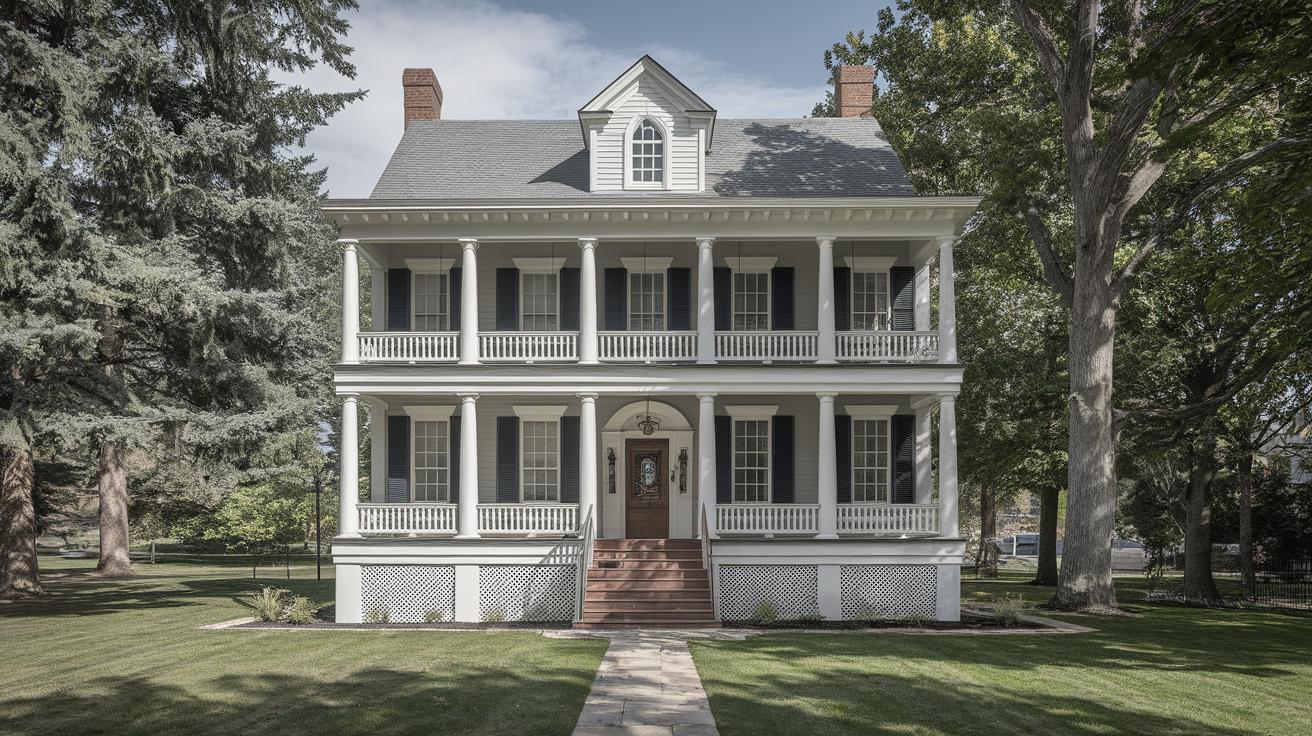
How to Restore a Historic Property
Introduction to Historic Home Renovations
Restoring a historic home brings a unique set of challenges and rewards. It involves honoring the past while building a future that honors the architectural integrity of your property. This guide delves deep into the reasons why one might undertake such a project, the inherent challenges, and practical steps in understanding the historical significance. From navigating legal considerations to planning renovations and modernizing features without losing historic charm, this article offers a comprehensive roadmap to those embarking on this journey. By the end, you’ll be equipped with knowledge to restore and enhance your historic home with confidence.
Why Restore a Historic Home?
Restoring a historic home goes beyond mere aesthetics; it’s a journey that connects you with history. Owning such a property often instills a sense of pride, offering an opportunity to maintain architectural traditions and preserve cultural heritage. Restorative efforts contribute to local historical narratives and can enhance the community’s character and appeal.
Moreover, restored historic properties often yield significant returns in terms of heritage value, potentially increasing property values within their areas. These homes represent chapters of architectural history, enticing future generations to appreciate their distinctive features and stories.
Challenges of Restoring Historic Homes
While the prospect of bringing a historic building back to glory is thrilling, this endeavor poses unique challenges. Firstly, there is the complexity of sourcing authentic materials, which can be both costlier and harder to find. Obtaining skilled artisans familiar with traditional construction techniques is equally challenging, requiring meticulous research and financial commitment.
Compounding these physical challenges are the regulatory frameworks that often accompany historic properties. Renovators frequently need to adhere to stringent guidelines set forth by preservation societies or local regulations, dictating what can and cannot be altered.
Understanding the Historical Significance of Your Home
Identifying the Historic Period and Style
To effectively plan a restoration, it’s crucial to identify the historic period and architectural style of your home. This includes researching the typical features of its era – whether it is Victorian, Colonial, Tudor, or another significant style. Understanding these attributes will aid in making informed choices during the restoration process.
Furthermore, familiarizing yourself with the architectural terminology associated with the style can help communicate effectively with experts who might assist in your project. Resources like the local library or historical societies can offer cataloged archives that detail your home’s stylistic history.
Research the History of Your Home
In addition to architectural style, delve into the broader narrative of your home’s history. Who were its former inhabitants? What changes has the property witnessed over the decades? Answering these questions provides a context that could influence your renovation decisions, honoring past legacies while enhancing the home.
There are various avenues for uncovering this rich past. Public records, local historical societies, and even conversations with long-time neighbors can provide a wealth of knowledge. Often, this research reveals fascinating stories that add sentimental value to the property’s physical allure.
Legal and Regulatory Considerations
Owning a historic property often means navigating a labyrinth of legal and regulatory guidelines. These guidelines are typically designed to protect the integrity and preservation of historic sites. Before initiating any renovation, consult with local preservation commissions and government bodies to understand the constraints imposed.
Depending on your location, there might be specific laws governing alterations, particularly relating to the exterior. Acquiring permits and adhering to codes can take time, but patience in this phase will ensure that your restoration complies with legal standards and maintains historical authenticity.
Planning a Historic Home Renovation
Assessing the Condition of the Home
Before starting any physical work, a thorough assessment of your home’s current condition is essential. This includes structural evaluation, identifying areas of decay, and understanding the functionality of existing systems. Having a professional inspector who specializes in historical structures might help identify clandestine issues that could influence renovation planning.
Their detailed report will guide your restoration priorities, ensuring that the most critical repairs and restorations are handled first. Prioritize addressing safety concerns and stabilizing the structure before focusing on aesthetic upgrades.
Creating a Renovation Plan
With a clear understanding of your home’s condition, the next step is creating a comprehensive renovation plan. This plan should outline each phase of the project, associated costs, resources needed, and expected timelines. Collaborating with architects or designers who specialize in historic restorations can provide invaluable insights and suggestions.
Given the complexity of such projects, maintaining flexibility in your plan is critical. Unanticipated findings often emerge as renovations proceed, and being adaptable will ensure these discoveries don’t derail your timeline or budget significantly.
Setting a Budget and Timeline
Setting a realistic budget and timeline for your renovation is crucial. Historic renovations often come with higher costs due to the use of specialty materials and skilled labor, both of which tend to be more expensive. Factor in a contingency fund to cover unforeseen expenses.
Allocate time for each phase of the renovation, and build in extra time to accommodate potential delays caused by weather, supply complications, or unanticipated issues found during renovation. Transparency with contractors about your budget and timeline expectations can foster a smoother restoration process.
Restoring Key Features of a Historic Home
Preserving Original Architectural Details
The essence of a historic home lies in its unique architectural details. Preserve these elements carefully, whether they are stained-glass windows, original woodwork, or intricate moldings. Where possible, repair instead of replace to maintain authenticity.
Engaging artisans skilled in historical restoration can help echoes of the past revitalize your home. Preservation might mean doing painstaking research to find the correct methods and materials that match the original build.
Repairing or Replacing Materials
When it comes to materials, striking a balance between restoration and replacement is often necessary. Evaluate each element on a case-by-case basis to determine whether restoration or a suitable replica is the best path.
Sourcing quality materials that echo or exactly replicate the original ones is crucial for maintaining the historic authenticity. Look for salvage shops and antique dealers, or consult with suppliers specializing in period materials to source what’s needed.
Restoring Floors, Ceilings, and Walls
Floors, ceilings, and walls are canvas features central to any historic home. Wood floors can often be refinished rather than replaced, preserving the original character. Ceilings may require careful repair, especially if they feature unique design elements like beams or decorative work.
Walls may carry historical narratives through items such as wallpaper or plaster. Carefully assess these elements and, where feasible, preserve them. If replacement is necessary, seek out materials that mirror the original in both texture and design.
Modernizing Without Compromising History
Updating Kitchens and Bathrooms
Bringing modern comfort into a historic home can be a delicate balancing act, especially in functional spaces like kitchens and bathrooms. These areas can be updated to accommodate modern amenities while retaining the historic look through vintage-style fixtures and finishes.
Consider incorporating custom cabinetry that matches the period style, or retaining original built-ins if they remain in good condition. Trends like open shelving can be adapted to suit a period style without stark contrast.
Installing Energy Efficient Systems
Enhancing energy efficiency is a modern necessity that can coexist with historical preservation. Implementing systems such as improved insulation, high-efficiency windows that mimic historic designs, or discreetly installed solar panels can significantly reduce energy costs while preserving the home’s character.
Advances in HVAC technology now allow for more aesthetically pleasing integrations into existing spaces, which can be less visually intrusive than older systems. Ensuring effective insulation reduces energy use and enhances comfort, importantly without compromising historical value.
Balancing Comfort with Preservation
Successful historic renovations blend comfort with historical preservation, creating a livable space that honors its past while catering to present needs. It’s about selectively choosing which modern conveniences add to the home’s livability without overshadowing its original features.
Furniture and decor choices play a significant role in achieving this balance. Opt for items that complement or reflect the period style while meeting contemporary comfort standards. This way, the home’s historic charm remains forefront, enriched by thoughtful modern touches.
Frequently Asked Questions about Renovating a Historic Home
Q: Is it more expensive to renovate a historic home?
A: Generally, yes. Due to specialized labor, materials costs, and potential regulatory fees, historic renovations often surpass modern renovations in expense.
Q: Can I make changes to the exterior of a historic home?
A: Many historical homes require adherence to preservation guidelines that limit alterations, especially exterior changes. It’s crucial to check with local preservation authorities before planning any changes.
Q: What financial incentives are available for historic renovations?
A: Various government and private funding programs are available, including tax credits and grants. Researching incentives offered at local, state, and national levels can be worthwhile.
Related Articles
-
Preserving History: A Guide to Historic Home Maintenance
-
The Art of Restoring: Balancing Integrity and Innovation
-
Eco-Friendly Renovations for Vintage Homes
Next Steps
| Section | Summary |
|---|---|
| Historic Home Renovations | Discussion on the reasons and challenges behind restoring historic properties. |
| Historical Understanding | Methods for identifying the architectural style and history of your home. |
| Legal Considerations | Overview of the legal framework affecting changes in historic properties. |
| Renovation Planning | Strategizing renovations through condition assessment, planning, and budgeting. |
| Key Features Restoration | Maintaining and restoring architecture, materials, floors, and walls. |
| Modernization Strategies | Approaches to upgrading facilities without diminishing historic value. |