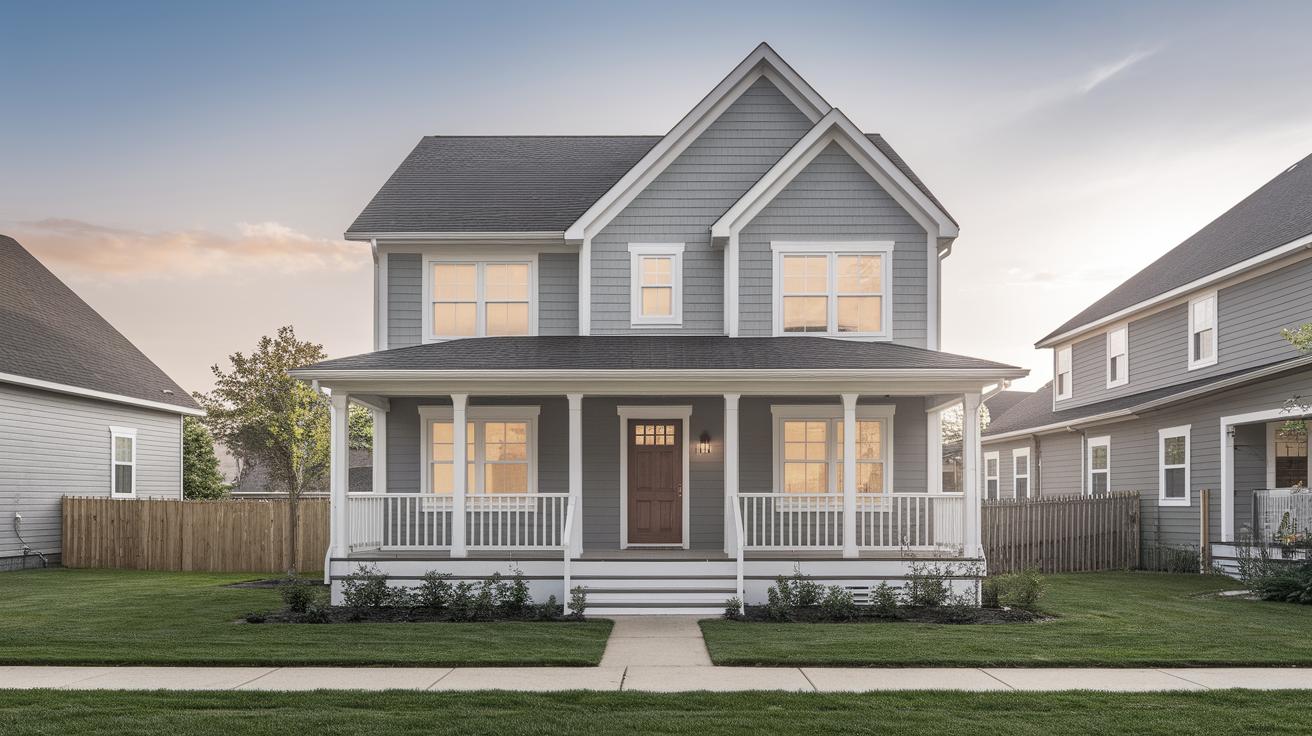
How to Choose the Best Insurance for a Rental Property
Choosing the best insurance for a rental property involves multiple considerations, ranging from understanding coverage details to evaluating premium rates. This blog post will guide you through essential elements such as coverage options, deductible amounts, and selecting the right agent or broker. Whether you’re new to property rental insurance or looking to optimize your current plan, this post offers valuable insights into what to prioritize when selecting insurance. By the end, you’ll be equipped with the knowledge to make informed decisions and potentially save on premiums without compromising coverage.
What is Rental Property Insurance?
Rental property insurance is designed to protect landlords from financial losses associated with renting out properties. It generally covers damage to the building itself, liability claims, and loss of rental income. Unlike homeowners insurance, which is typically meant for owner-occupied properties, landlord insurance provides specialized coverage for rented homes, apartments, or condos.
Understanding the nuances of rental property insurance is crucial. For landlords, it means having a safety net that shields from common risks such as fire, theft, and weather damage. By securing the right rental property insurance, landlords can ensure that both their investment and income are protected, allowing for peace of mind and financial stability.
1. Know What Coverage is Provided
Before purchasing insurance, you must be familiar with the types of coverage available. Standard rental property insurance usually includes property damage, liability protection, and loss of rental income. Property damage coverage pays for repairs to the physical structure and any personal property you’ve insured. Liability protection covers medical or legal expenses if someone gets injured on your property.
Loss of rental income is especially crucial for landlords relying on consistent rent payments for financial stability. Check if your policy offers protection against tenant damage or malicious acts. Being well-versed in what each type of coverage entails enables you to choose a plan that gives you the most comprehensive protection for your specific needs.
2. Consider the Pay-Out Terms
Understanding the payout terms is critical when comparing insurance policies. This includes knowing how quickly claims are processed and the conditions under which they’ll be paid out. Some policies might reimburse based on the actual cash value, which accounts for depreciation, while others may offer replacement cost coverage, which reimburses the full cost of replacing damaged property.
The speed at which claims are processed can vary significantly between insurers. Policies that detail specific timelines for claim processing can be beneficial for landlords relying on prompt payouts. It’s advisable to study reviews of insurers or consult others in the property market to gauge their reputation for handling claims efficiently.
3. Consider an Insurance Plan That Has Additional Coverage Options
Basic rental property insurance might not cover all the risks you face. You may want to consider additional coverage options based on your property’s location and specific tenants. For instance, if your property is in a flood-prone area, you might need flood insurance. Earthquake insurance is another consideration for properties in seismically active regions.
Some insurers offer a package of optional add-ons, like vandalism coverage or rent guarantee insurance. Analyze your property’s specific risks to determine which add-ons are necessary. By customizing your insurance policy, you can secure fuller coverage, thus avoiding unforeseen expenses and mitigating risks effectively.
4. Be Keen When Choosing Between an Insurance Agent or Broker
When it comes time to purchase rental property insurance, deciding between an agent or a broker is an important step. Agents work for specific insurance companies and can provide insight into their company’s offerings. Brokers, on the other hand, compare multiple insurers and recommend policies that fit your needs.
Working with a broker can be beneficial if you require a broad comparison of what’s available in the market. Meanwhile, agents might offer more detailed information on particular offerings. Consider what’s more essential to you—a wide range of options or detailed insight into one company—before deciding which professional to consult.
5. Check Out for the Deductible Amount
The deductible is the amount you must pay out-of-pocket before the insurance coverage takes effect. A lower deductible typically means higher premiums, while a higher deductible often results in lower premiums. Deciding on a deductible involves weighing your financial capability for upfront payments against your readiness to pay a higher premium.
Review your financial situation and risk tolerance to determine the deductible amount that suits you. Your decision might also be influenced by how often you expect to file claims. By selecting the most suitable deductible, you can find a balance between manageable premium costs and affordable out-of-pocket expenses.
6. Be Honest with How You Intend to Use the Property
Transparency with your insurance provider about your property’s use will result in better-suited coverage. Whether you plan to use it as a long-term rental or a short-term vacation rental, the property’s intended use affects both rates and the types of coverage you’ll need.
Misrepresenting your property’s usage can result in denied claims. Work with your insurer to craft a policy that accurately reflects your plans, ensuring you’re covered in scenarios that might occur based on actual use. Full disclosure can also facilitate a more straightforward claims process, optimizing your coverage experience.
7. Shop Around for the Best Coverage and Rates in the Market
Don’t settle on the first offer you receive. The insurance market is highly competitive, with numerous providers vying for business. This presents an opportunity to compare premiums and coverage options to find the best value. Utilize online quotes and seek recommendations to formulate a comprehensive view of your options.
Keep in mind that the cheapest policy isn’t always the best. Examine each policy’s specifics to ensure it aligns with your needs and provides adequate coverage. By taking the time to shop around, you ensure you are getting a policy that offers both value for money and comprehensive protection.
Final Thoughts
Securing the right insurance for your rental property is a multifaceted process that requires careful consideration of various elements. Understanding your coverage, following honest practices, and thoroughly investigating market options will help you make informed decisions. Many factors influence the best choice of coverage, including the property’s location and your preferred deductible amount.
Ultimately, your objective is to find an insurance plan that provides tranquility and financial safeguard against unforeseen events. By applying the lessons outlined in this blog post, you’ll be better prepared to select a rental property insurance policy that offers comprehensive protection without straining your budget.
Find the Best Insurance Rates Today
| Topic | Insights |
|---|---|
| What is Rental Property Insurance? | Protection for landlords against financial loss, covering damage, liability, and lost rental income. |
| What Coverage is Provided? | Includes property damage, liability protection, and loss of rental income; essential to understand specifics. |
| Consider the Pay-Out Terms | Evaluate speed and type of payouts like actual cash value or replacement costs; prompt payouts are crucial. |
| Consider Additional Coverage Options | Assess extra risks and add necessary coverages for floods, earthquakes, vandalism, or rent guarantees. |
| Choosing Insurance Agent or Broker | Decide between an agent’s specific company insight and a broker’s range of options in the market. |
| Check Deductible Amount | Choose a balance between premium costs and deductibles; consider financial capacity and risk tolerance. |
| Be Honest About Property Use | Full disclosure on rental plans ensures coverage is suited to its usage; prevents denied claims. |
| Shopping for Best Rates | Look beyond the first offer, compare broadly, and ensure value and comprehensive coverage. |