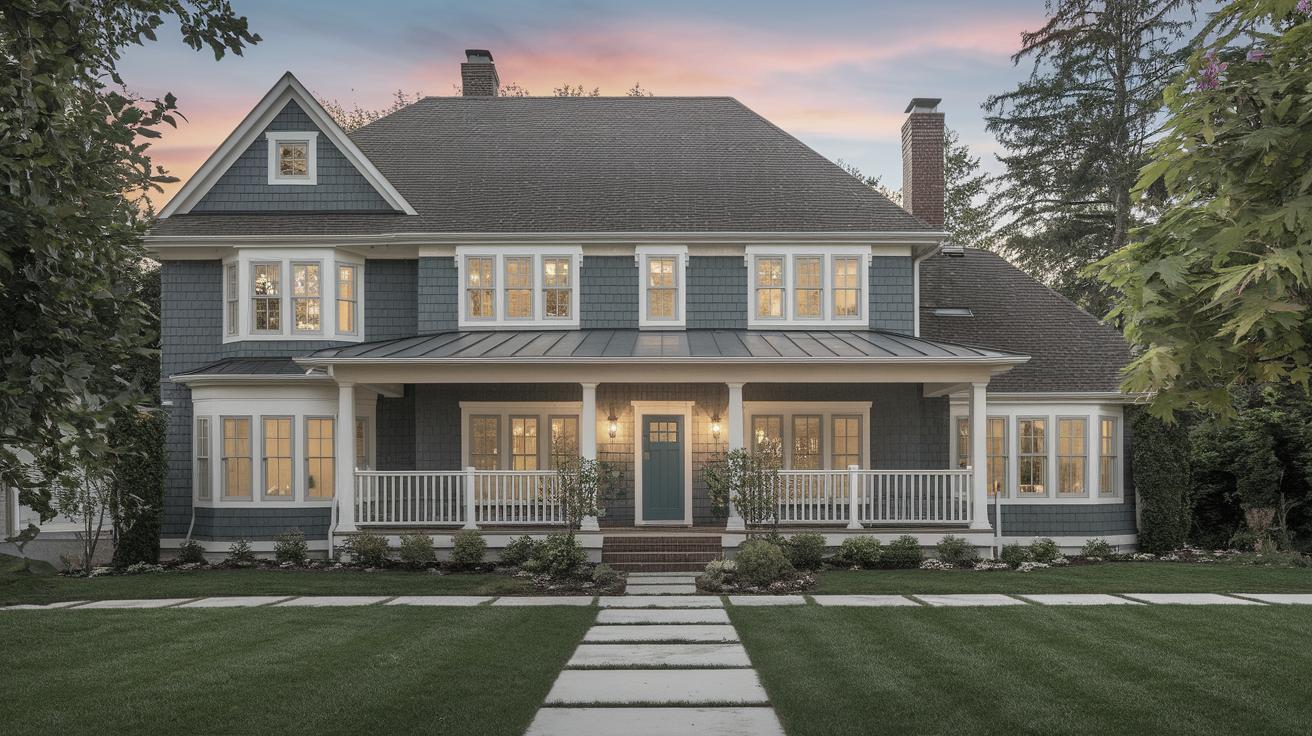
How to Landscape a Property to Add Value
Landscaping is an artful blend of nature and design that can significantly increase the value of your property. This blog post explores five key elements: outdoor lighting, patios and decks, softscape, outdoor living spaces, and water features, each contributing uniquely to both curb appeal and functionality. From enhanced safety and aesthetic appeal through strategic lighting, to the natural beauty and ambiance created by softscape elements, we cover a comprehensive guide to transforming your space into a valuable asset that’s not only enjoyable but also desirable in the real estate market. Dive into these expert tips to elevate your property’s worth while creating an inviting, beautiful space for relaxation and entertainment.
1. Outdoor Lighting
Outdoor lighting is a game-changer when it comes to landscaping. It not only enhances the aesthetic appeal of your property but also plays a crucial role in safety and security. Strategically placed lights illuminate pathways, driveways, and key features of your home, creating a welcoming atmosphere while deterring potential intruders. Various lighting options, such as solar-powered lamps, LED lights, and smart lighting systems, offer energy-efficient solutions for every budget and style.
Investing in outdoor lighting can create exquisite nighttime visuals, highlighting the architecture of your home and the textures of your plants and lawn. Accent lighting can showcase garden statues, water features, or flowering plants, adding depth and drama to your landscape. Furthermore, with the advent of technology, smart outdoor lighting systems can be controlled remotely, allowing you to customize settings and styles according to your convenience, enhancing both aesthetics and property value.
2. Patios and Decks
Patios and decks extend your living area, providing usable space to relax, entertain guests, or enjoy family time outdoors. When thoughtfully designed, they seamlessly blend the interior of your home with the exterior, offering additional dining or lounge areas. The material you choose—whether it’s natural stone, brick, or composite decking—should complement your home’s design and meet your maintenance preferences and climate conditions.
A well-planned patio or deck can drastically improve curb appeal and increase market value. Adding features such as built-in seating, outdoor fireplaces, or kitchens elevates the functionality of these spaces, making them more attractive to potential buyers. Consider incorporating sustainable materials or designs that capitalize on local weather patterns, like using shaded areas to cool seating spaces naturally, which not only cut costs but appeal to eco-conscious buyers.
3. Softscape
Softscape elements encompass anything involving plants, flowers, trees, and grass. These natural components play a critical role in shaping the landscape’s aesthetics and functionality. When selecting softscape elements, consider native and drought-resistant plants that are well-suited to your climate, which can reduce maintenance and water usage significantly. Layering plants and varying their heights can create stunning visuals and frame the home’s architecture beautifully.
Strategically placed trees and shrubs can provide natural windbreaks, offer privacy, and even reduce heating and cooling costs by shading the home. The choice of color dynamics, such as seasonal flowers that bloom at different times, ensures that your garden remains colorful throughout the year. Softscape, when executed correctly, not only enhances the beauty of your property but can also boost its value by contributing to an eco-friendly and sustainable environment.
4. Outdoor Living Space
The concept of outdoor living has increasingly gained popularity. An outdoor living space that includes a seating area, a fire pit, or even a complete alfresco kitchen is no longer a luxury but a sought-after feature. It’s about creating a comfortable and engaging environment that allows residents and guests to enjoy time outside, whether casually lounging, dining, or entertaining.
When designing an outdoor living space, think about enhancing comfort with durable, weather-resistant furniture, and consider integrating technology such as outdoor audio systems or weatherproof TVs for entertainment. The goal is to create a multifunctional area that caters to a variety of activities and preferences. A well-designed outdoor living space can turn an ordinary backyard into a retreat, significantly increasing the home’s appeal and value in the property market.
5. Water Features
Water features, such as fountains, ponds, or waterfall installations, can bring tranquility and beauty to any landscape. The sound of flowing water can create a peaceful ambiance, while a well-crafted feature serves as a focal point for your garden or yard. These installations not only provide aesthetic benefits but can also improve air quality and promote a sense of relaxation.
When choosing a water feature, it is essential to consider the scale and style that best complements your property’s architecture and landscape design. Whether you opt for a small garden fountain or a large koi pond, maintaining the feature is key to ensuring it remains an asset rather than a liability. Proper installation and regular upkeep will ensure that your water feature continues to add value by enhancing the property’s visual appeal and providing a serene environment.
Summary of Main Points
| Feature | Benefits |
|---|---|
| Outdoor Lighting | Improves aesthetics, safety, security; highlights features; energy-efficient options. |
| Patios and Decks | Provides extra living space; enhances functionality and appeal; increases property value. |
| Softscape | Shapes landscape aesthetics; offers eco-friendly benefits; includes diverse plant options. |
| Outdoor Living Space | Creates engaging environments; supports diverse activities; appeals to modern homebuyers. |
| Water Features | Adds tranquility and beauty; serves as focal point; requires regular maintenance. |
Author Profile
Lucas Martin is a 23-year-old journalism and communications graduate, passionate about creative and engaging writing. With a deep interest in travel, technology, and innovation, Lucas aims to hone his skills in SEO writing for online media and technology-focused companies, all while staying up to date with the latest market trends.