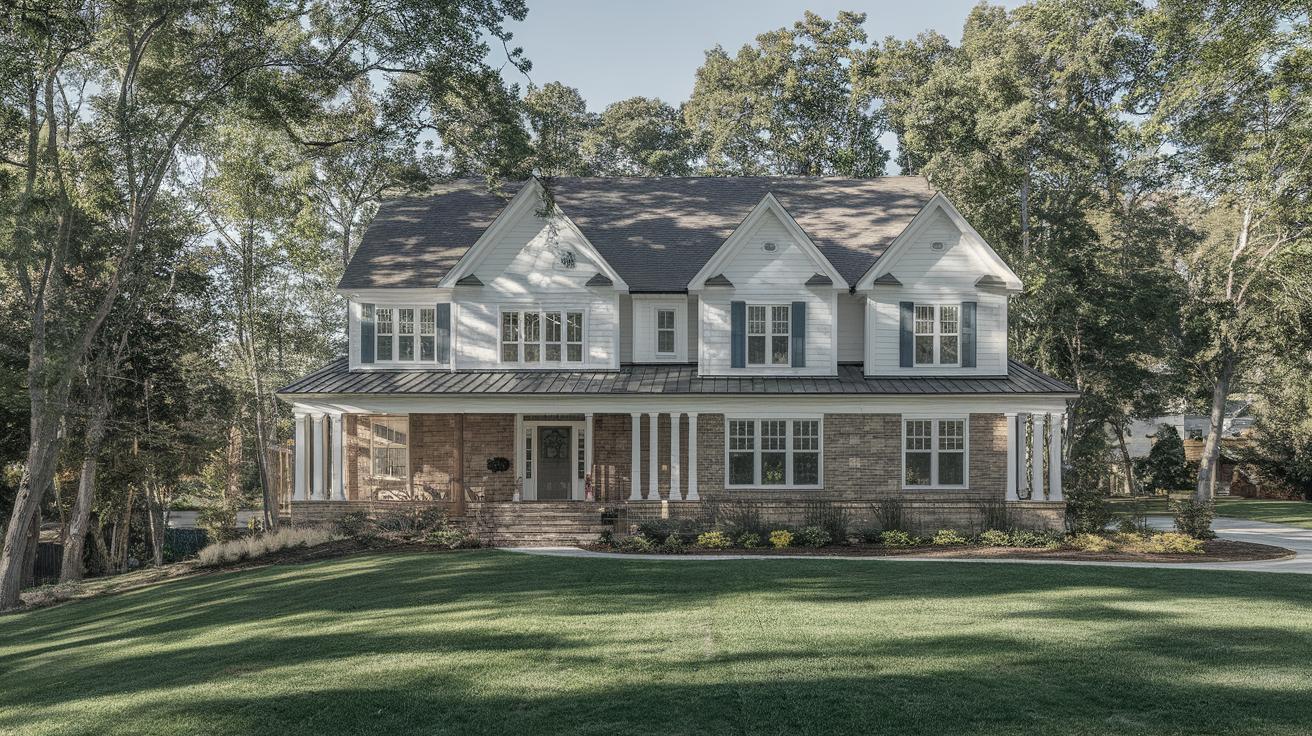
What Should A Home Inspection Cover?
Purchasing a home is one of the most significant investments a person can undertake, and ensuring that the property is sound is crucial. A comprehensive home inspection plays a vital role in identifying potential issues ranging from structural, electrical, to plumbing and safety concerns. This article thoroughly explores what a home inspection entails, when to schedule it, what inspectors typically evaluate, and what might require separate reviews. Additionally, we provide insights into non-standard inspections, their costs, and useful checklists to guide your process. Understanding what to expect can help buyers make informed decisions, ensuring peace of mind with their investment.
What Is A Home Inspection?
A home inspection is a detailed examination of a property’s condition, typically conducted by a certified professional before the purchase is finalized. The inspection provides prospective buyers with a clear understanding of the current state of the home, identifying any significant issues that could affect the safety, function, or overall value of the property.
The purpose of a home inspection is not to appraise the property’s value but rather to highlight potential future expenses or repairs. With a comprehensive report in hand, buyers can negotiate price adjustments, request repairs, or in some cases, reconsider the purchase altogether.
When To Get A Home Inspection
Home inspections are usually conducted after an offer has been accepted, but before the final closing on the property. Ideally, the inspection should be scheduled as soon as possible within the contract’s inspection period, typically ranging from 7 to 14 days post-offer acceptance. This timeframe allows buyers ample opportunity to address any concerns discovered during the inspection.
Timing is essential to ensure all potential issues are identified and negotiated before the final purchase commitment. Delays can result in missed opportunities to leverage the inspection report for negotiation, potentially leading buyers to assume costly repairs without negotiation.
What Happens If A Home Inspection Reveals Issues?
If the home inspection reveals issues, buyers have several options to consider. They can request the seller to address the repairs, ask for a price reduction to compensate for the costs, or in some cases, withdraw from the agreement altogether, if it’s within the inspection contingency period.
The severity and nature of the issues usually guide the buyer’s response. Minor problems may be manageable, while significant structural or safety concerns might require more extensive negotiation or reconsideration. Having a clear, detailed inspection report empowers buyers to make informed decisions aligned with their budget and future plans for the property.
Hiring A Professional Home Inspector
Employing a qualified home inspector is crucial to ensuring an objective and thorough assessment. It’s advisable to select an inspector who is certified through reputable associations such as the American Society of Home Inspectors (ASHI) or the International Association of Certified Home Inspectors (InterNACHI).
Professional inspectors bring expertise and experience, ensuring that all critical areas of the home are evaluated. Recommendations from friends, family, or real estate agents can aid in selecting a reputable inspector, bolstering confidence in their assessment.
What Do Home Inspectors Look For?
Exterior Home Inspection
During the exterior inspection, the inspector evaluates the condition of the roof, gutters, siding, windows, doors, and overall structural integrity. Additional areas of inspection may include the foundation, driveway, and any detached structures like garages or sheds.
Inspectors are keen on spotting issues such as roof leaks, deteriorating siding, or foundation cracks that can signal more significant underlying problems if left unaddressed. A robust evaluation of the exterior prevents potential future damage from environmental factors or structural failures.
Interior Home Inspection
Within the interior inspection, attention turns to the electrical system, plumbing, HVAC systems, and overall safety features. Inspectors review, among other elements, the adequacy of electrical wiring, water pressure and leaks, and the functionality of the heating and cooling systems.
Interior inspections also include checking for signs of water damage, mold, structural damage, and the property’s overall insulation efficiency. Addressing these critical elements ensures the home operates safely and efficiently.
What Home Inspectors Typically Don’t Look For
Despite their comprehensive training, home inspectors are not required to assess areas that are not easily observable. This often excludes pest infestations, asbestos, radon levels, and septic system conditions, unless visibly apparent.
Specialized inspections, conducted through additional experts, are necessary for these areas. Buyers should be prepared for separate evaluations if such concerns are prevalent in the region or if any red flags are raised during the general inspection.
Separate Inspections
In instances where the general inspection reveals potential issues beyond the scope of a standard review, buyers may opt for specialized inspections. These include but are not limited to pest control, radon testing, lead-based paint inspection, and chimney inspection.
Specialized inspections are more nuanced and may require expertise in a specific field, ensuring that potential health hazards or costly damages are accurately assessed and addressed.
Home Inspection Checklists
Exterior Home Inspection Checklist
An exterior home inspection checklist might include items such as roof condition, drainage systems, the integrity of the foundation, and the state of exterior walls and sidings. Each element ensures the home’s resilience to weather-related wear and maintains structural support.
Interior Home Inspection Checklist
For interior inspections, a checklist should cover the electrical system, plumbing features, heating and cooling systems, and overall safety components like smoke detectors. A thorough review clarifies repair needs or upgrades facilitating safe and efficient operation.
Non-Standard Home Inspection Checklist
Non-standard inspection checklists might incorporate pest inspections, radon gas levels, and hazardous materials such as asbestos or lead. These elements are crucial in preventing health risks and maintaining overall wellbeing within the home.
How Much Does A Home Inspection Cost?
The cost of a standard home inspection varies widely depending on factors such as location, size of the property, and the inspector’s experience. Generally, fees range from $300 to $500, but can increase for large or unique properties.
While additional specialized inspections incur extra costs, investing in a thorough evaluation can save significant expenses and complications post-purchase. Budgeting for these costs is crucial in the home-buying process.
The Bottom Line
| Aspect | Description |
|---|---|
| What Is A Home Inspection? | A detailed examination of a property’s condition before purchase. |
| When To Get A Home Inspection | After offer acceptance, but before closing, within 7-14 days. |
| If Issues Are Found | Options include negotiating repairs or price adjustments. |
| Professional Inspector | Hire certified inspectors like those from ASHI or InterNACHI. |
| Inspector Evaluations | Covers both exterior and interior, assessing structural and safety aspects. |
| Typical Omissions | Does not include pest, asbestos, radon, or septic evaluations. |
| Separate Inspections | Specialized reviews for non-standard issues such as pests or radon. |
| Inspection Costs | Standard inspections range from $300-$500, excluding additional specialized costs. |