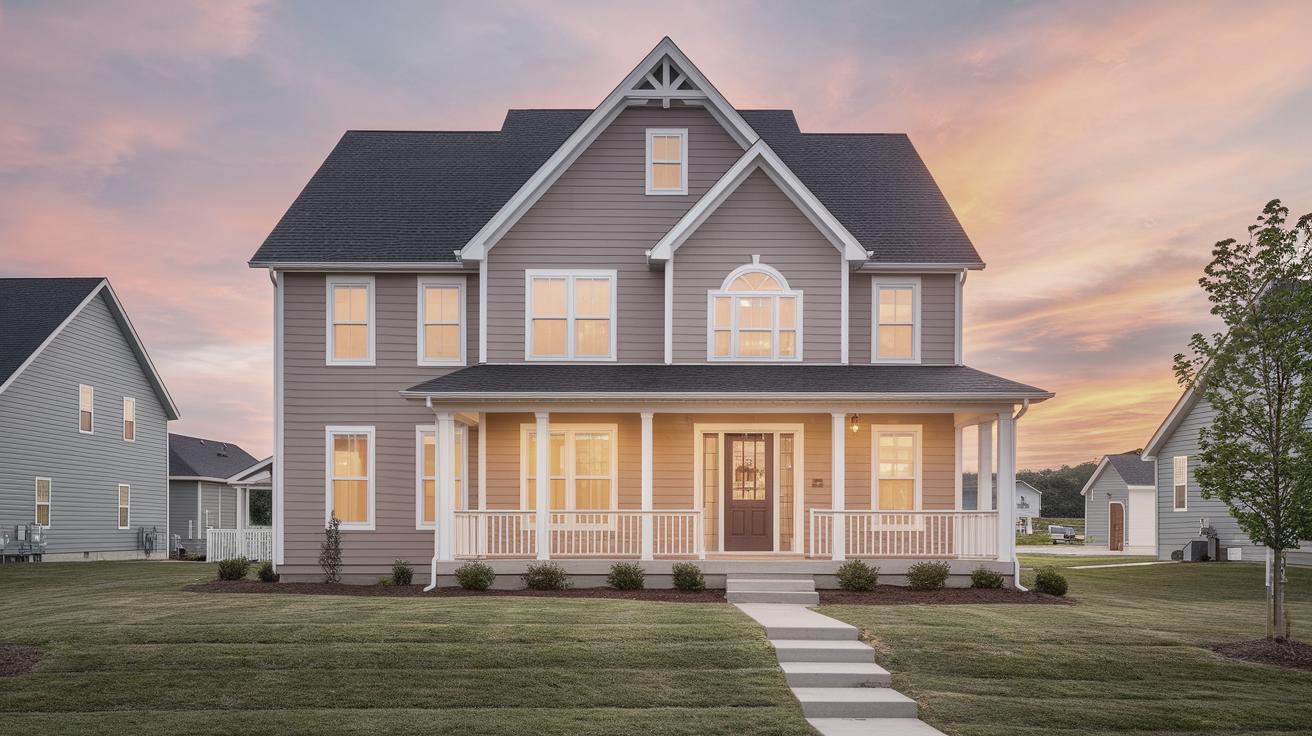
Understanding the Different Types of Home Loans
Choosing the right mortgage is a pivotal financial decision that determines how comfortable your home financing journey will be. With various types of home loans available, ranging from open to closed mortgages, and conventional to high-ratio options, understanding the differences is crucial. Each type comes with its own set of features, benefits, and considerations, impacting both your monthly payment and financial future. This guide will delve into the specifics of each mortgage type, including fixed-rate, variable-rate, and hybrid options, as well as additional features you should consider when selecting your mortgage. By the end, you’ll have a comprehensive understanding that will help in making an informed decision tailored to your needs and financial situation.
Why Is Your Mortgage Type Important?
Choosing the right mortgage type is not just a matter of interest rates. It affects your long-term financial strategy, savings, and even your lifestyle. A mortgage impacts how much you’ll pay over time, your financial flexibility, and your risk exposure. For example, a fixed-rate mortgage provides stability, while a variable-rate mortgage may offer lower initial rates but comes with potential rate fluctuation risks.
Furthermore, the mortgage’s structure can determine how easily you can renew or refinance it in the future, which is crucial if your financial situation changes. Understanding each mortgage type’s nuances will empower you to align your home-financing decisions with both current needs and future plans.
Types Of Mortgages
Open Mortgages
Open mortgages offer the borrower flexibility to pay extra amounts on their mortgage without any penalties. This means if your financial situation allows, you can pay off the mortgage sooner than the originally agreed period. This flexibility comes at a cost—the interest rates for open mortgages are often higher than those of closed mortgages.
These types of home loans are ideal for those who expect a significant rise in income or who might receive a lump-sum of money, such as bonuses, inheritances, or proceeds from the sale of a property. The key advantage here is avoiding the prepayment penalties generally associated with closed mortgages.
Closed Mortgages
Closed mortgages are the opposite of open mortgages. They typically offer lower interest rates, but with strings attached—limited options for paying off the mortgage ahead of schedule. Most closed mortgages allow a certain percentage of extra payments per year, known as prepayment privileges.
This type of mortgage is advantageous for individuals seeking the lowest rate possible with steady, reliable payments, and who do not foresee being able to pay significantly more than their monthly dues. It’s a fit for those intending to stay in their property for a long duration without anticipating large windfalls.
Conventional Mortgages
A conventional mortgage is a home loan that is not insured by a government program. They typically require a 20% down payment, which negates the need for private mortgage insurance (PMI), providing significant cost savings over the loan’s lifetime.
This option is ideal for buyers who have significant savings and can afford the down payment, offering lower borrowing costs over time. However, it might not be accessible for first-time buyers or those without substantial assets.
High-Ratio Mortgages
High-ratio mortgages are those where the borrower has a down payment of less than 20% of the home’s purchase price. These loans often require the purchase of mortgage insurance, increasing the overall cost of borrowing.
Despite the additional cost, high-ratio mortgages enable buyers to enter the housing market sooner. They’re particularly useful for first-time homebuyers or in high-demand real estate markets where saving a large down payment can be challenging.
Fixed-Rate Mortgages
Fixed-rate mortgages are loans where the interest rate remains constant for a specified period, usually the entire term of the mortgage. This type of mortgage provides payment stability, making budgeting easier for homeowners.
These loans are particularly attractive when interest rates are low and stable, offering security against potential market fluctuations. However, they may come with higher initial rates compared to variable-rate options.
Variable-Rate Mortgages (VRMs)
Variable-rate mortgages come with interest rates that change based on market conditions. This can lead to payment variations, depending on how rates climb or fall over time. They’re usually tied to the lender’s prime rate.
Such options are best suited for borrowers who are comfortable with market risk and want to take advantage of potentially lower initial rates. They are generally preferred where interest rates are expected to decline or remain stable.
Adjustable-Rate Mortgages (ARMs)
Adjustable-rate mortgages, similar to VRMs, have interest rates that fluctuate over the loan term. However, they often start with a fixed rate for a set period before transitioning to variable rates. This offers an initial period of stable payments followed by adjustments.
They’re beneficial for borrowers who expect an increase in income or plan to refinance before the adjustable period begins. They also work well when initial interest rates are conspicuously lower than those for fixed-rate mortgages.
Hybrid Mortgages
Hybrid mortgages combine features of both fixed-rate and adjustable-rate mortgages, offering initial terms with fixed rates followed by adjustable terms. This offers the stability of predictable payments initially and the advantage of potential savings from lower variable rates later.
They’re particularly suitable for buyers who plan to remain in their home beyond the fixed rate period and can tolerate some payment fluctuations thereafter. This structure may be particularly appealing in a market with falling interest rates.
Collateral Charge Mortgages
Collateral charge mortgages are a type of loan that registers a charge on the property for more than the mortgage amount, often 125-150% of the property’s value. This allows the homeowner to borrow additional funds without refinancing.
This feature is attractive for those who may require access to additional funds in the future, without incurring the costs associated with setting up a new mortgage. However, it can complicate switching lenders, as new lenders often require refinancing.
Additional Mortgage Types And Features
Beyond the primary mortgage types discussed, there are additional features to consider. For instance, some lenders offer portable mortgages that allow you to transfer your mortgage to a new property without penalties if you decide to move.
Another feature is the assumable mortgage, which permits a buyer to take over the seller’s existing mortgage, potentially saving on interest rates if they are lower than current market rates. Understanding these additional types and features can provide more freedom and could save significant amounts over the life of the loan.
The Bottom Line
Understanding the different types of home loans is critical in shaping your financial future. Each mortgage type offers unique benefits and drawbacks, and the right choice will depend on your financial goals, risk tolerance, and life circumstances. As interest rates and market conditions fluctuate, staying informed about mortgage options is essential.
Choosing wisely can mean the difference between financial strain and comfort during the lifetime of the mortgage. It’s beneficial to consult with financial advisors and mortgage professionals when weighing your options to ensure that your choice aligns with both your immediate needs and long-term goals.
| Mortgage Type | Key Features | Ideal For |
|---|---|---|
| Open Mortgages | Flexible prepayment, higher interest rates | Those expecting lump-sum payments |
| Closed Mortgages | Lower interest rates, limited prepayments | Long-term stability seekers |
| Conventional Mortgages | No mortgage insurance, requires large down payment | Buyers with substantial savings |
| High-Ratio Mortgages | Requires mortgage insurance, lower down payments | First-time or early market entrants |
| Fixed-Rate Mortgages | Stable payments, higher initial rates | Prefer predictable budgeting |
| Variable-Rate Mortgages (VRMs) | Interest fluctuates, potential lower initial rates | Risk-taking borrowers |
| Adjustable-Rate Mortgages (ARMs) | Starts fixed, then adjusts | Refinance before adjustment or increasing income |
| Hybrid Mortgages | Fixed-to-variable rate, combines features | Long-term dwellers adaptable to rate changes |
| Collateral Charge Mortgages | Higher registered amount, access to funds | Future access to credit without refinancing |