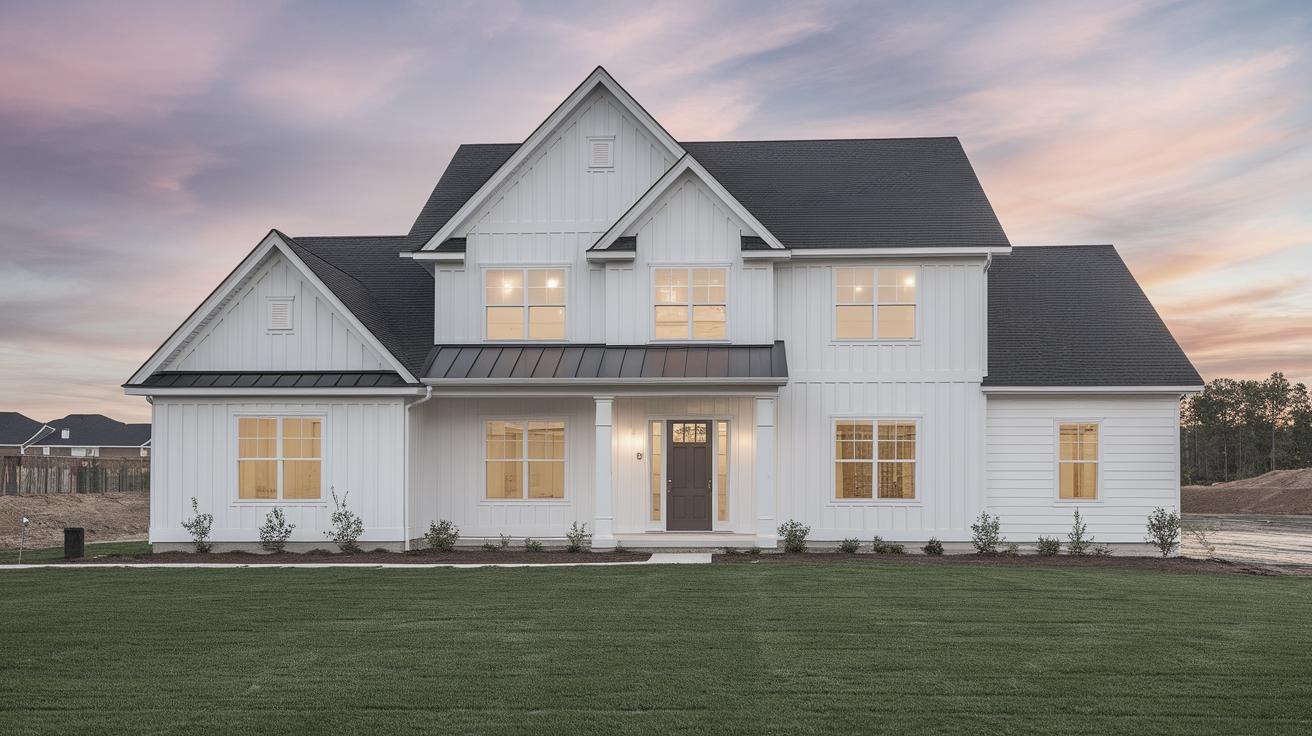
What to Look for in a New Construction Home
When considering a new construction home, there’s more to consider than just a fresh coat of paint and modern fixtures. From the choice of materials to the comfort it provides, and the community in which it resides, a new home must meet a wide range of criteria to be truly perfect for you. Additionally, aspects such as personalization, warranty, design, and specific lifestyle needs also play significant roles in the decision-making process. This guide will navigate you through the essential factors to consider, ensuring your new home aligns with your present needs and future aspirations.
CHOICE
The process of selecting a new construction home begins with defining what choices are most important to you. This encompasses both tangible aspects, such as the layout and materials used, and more abstract considerations, such as the reputation of the builder. Making an informed choice requires research into various builders and inspection of model homes to assess the quality of build and design.
Additionally, availability of options such as energy-efficient systems, high-quality appliances, and enhanced security features can significantly influence your choice. Ensure that the builder provides a comprehensive range of choices that can cater to both your current needs and future lifestyle changes, such as expandable layout options.
COMFORT
Comfort in a new home is derived from the thoughtful integration of space, materials, and future-proof features. Look for a construction that not only looks appealing but is also ergonomically sound, incorporating modern HVAC systems to guarantee a pleasant living environment.
Elements like soundproofing, natural lighting, and high-quality insulation significantly contribute to overall comfort. Consideration of such elements ensures that your home remains a sanctuary of peace, catering to both your physical and mental well-being.
COMMUNITY
The community surrounding your new home is just as important as the home itself. A supportive and vibrant community can enrich your living experience, offering a network of resources and social opportunities. Research the community plans, including schools and recreational facilities, to ensure they align with your lifestyle needs.
Engaging with potential neighbors and visiting the community during different times of the day can provide insight into community dynamics. Make sure that your new community presents opportunities for you to thrive socially, professionally, and personally.
CONFIDENCE
Buying a new construction home requires confidence in the builder and the quality of the build. Research past projects and customer testimonials to gauge reliability. Ensure that the builder is accredited and adheres to industry standards and local regulations.
This confidence extends to financial aspects, including the clarity of contracts and transparency in pricing. A trustworthy builder will provide clear communication and guided tours to help visualize the completed project, offering peace of mind throughout the building process.
PERSONALIZATION
One of the primary attractions of a new build is the ability to personalize your living space. From choosing wall colors to deciding on fixtures, personalization allows you to inject your personality into your home.
Check with the builder on the extent of customization allowed and the stages at which changes can be made. Personalization should not be limited to aesthetics; consider functionality modifications that might better suit your lifestyle, such as integrated smart home technology.
WARRANTY
A comprehensive warranty is critical when purchasing a new construction home, providing assurance that should anything go awry, it will be addressed without additional financial stress. Review the warranty terms, particularly what is covered and its duration.
Most reputable builders offer structural warranties for a significant period, along with shorter terms for systems and finishes. This is not only a safeguard for your investment but also a testament to the builder’s confidence in their construction quality.
DESIGN
Modern design is an attractive aspect of new construction homes. It reflects contemporary aesthetics and functional living, with open floor plans, abundant natural light, and efficient storage solutions.
Investing in sustainable and adaptable designs also increases your home’s longevity and appeal. Pay attention to the architectural style and how well it matches with your tastes and lifestyle, as design heavily influences overall satisfaction and the resale value of your home.
Size
The size of a new construction home must cater to both current needs and future plans. Assess your space requirements, including the number of bedrooms and bathrooms, to accommodate all household members adequately.
Consider the potential for growth, such as family expansion or multi-generational living. Flexible spaces that can serve dual purposes can add valuable functionality to your home as your family’s needs evolve.
Special features
Special features in a new construction home can enhance convenience, efficiency, and overall living experience. Look for homes that integrate energy-efficient solutions like solar panels and high-efficiency windows.
Technological advancements such as smart home systems, security installations, and connectivity infrastructure are also valuable features that elevate daily living. These advancements not only augment functionality but can also substantially increase the home’s value.
Lifestyles and Life Stages
Your lifestyle and current life stage play a crucial role in determining the suitability of a new construction home. Examine how the home’s features cater to your hobbies, work patterns, and family activities.
From young professionals to retirees, the layout and amenities should inspire a sense of belonging. Look for homes that offer the flexibility to transition through various stages of life without the constant need for further adjustments or relocations.
Location
Location is often hailed as the most pivotal attribute of real estate due to its influence on quality of life and property value. Evaluate proximity to work, schools, healthcare facilities, and recreational areas.
Moreover, consider the long-term growth trajectory of the neighborhood, including infrastructure developments and planned community ventures. A prime location not only enhances daily convenience but also secures solid long-term investment returns.
Freehold
Freehold properties afford you complete ownership of both the building and the land on which it stands. This implies greater autonomy to modify your home as required without needing communal consent.
The absence of monthly fees typical of other property types is an appealing factor, though responsibilities such as maintenance fall entirely on the owner. This type of ownership often attracts those seeking independence and long-term investment security.
Condominium
Condominiums suit those who prefer a more community-oriented living experience. With shared spaces and amenities such as pools and gyms, they offer a blend of privacy and communal interaction.
Condominiums often include maintenance within monthly association fees, freeing residents from many upkeep burdens. However, it is crucial to evaluate the financial health of the association to avoid unexpected financial liabilities.
Single-family Detached
Single-family detached homes provide complete privacy, detached from surrounding properties, allowing for personal freedom in design and landscaping.
These homes typically have larger yards and more space, ideal for growing families or those valuing seclusion. The independent nature of these homes likely appeals to those prioritizing autonomy over communal regulations.
Single-family Semi-detached
Single-family semi-detached homes are joined by one common wall, offering a combination of privacy and community often at a lower cost than fully detached homes.
This type of home is ideal for those who enjoy a neighborhood feel but still desire personal outdoor space. They often represent a balanced middle ground between detached homes and townhouses.
Row House (Townhome or Townhouse)
Row houses, or townhomes, offer an efficient use of space, commonly featuring multiple levels and shared walls with neighboring homes. They are ideal for urban settings where land availability is limited.
Townhomes often provide a low-maintenance lifestyle, appealing to busy professionals and small families drawn to urban conveniences without the yard maintenance tasks.
Stacked Townhome
Stacked townhomes are a modern solution to urban living needs, offering multiple levels of living space within a single footprint. This increases affordability while maintaining individual ownership.
These homes are well-suited for those who prioritize vertical space and prefer a community setting with shared amenities. They often cater to young professionals and small families.
Net Zero Home
Net zero homes are leading the charge into sustainable living, generating as much energy as they consume through renewable energy solutions. They offer significant long-term savings in utility costs.
These homes appeal to environmentally conscious buyers interested in reducing their carbon footprint. Potential buyers should understand the implications of maintaining the required technologies.
Modular Home
Modular homes are constructed in sections within a factory setting, promising consistent quality and reduced on-site building time. They offer flexibility in design and incorporate sustainable practices.
These homes are appealing for individuals looking for an eco-conscious and potentially more cost-effective building method without compromising on modern design and customization.
Condominium (Strata) Apartment
Condominium apartments offer high-density living with various amenities, including gyms, lounges, and concierge services, bundled into a strata fee, making it an attractive option for urban living.
Ideal for young professionals and those seeking accessibility, these apartments are often strategically located near business districts or entertainment hubs. Considerations include evaluating strata management quality and associated fees.
Who is the Target Market?
Identifying the target market for a new construction home involves analyzing demographics such as age, income, family size, and lifestyle preferences. This helps tailor the marketing strategy and product offering.
For instance, larger homes with amenities like playgrounds may attract families, while compact units near city centers appeal to young professionals. Aligning the home features with the target market’s needs ensures greater market interest and satisfaction.
What Common Facilities and Community Amenities are Planned?
Evaluate the facilities and community amenities included in the construction plan. Common areas, parks, recreational centers, and proximity to public transport can significantly influence the appeal of a new home.
Confirming the completion timeline for these amenities is crucial as it impacts the overall quality of living and potential resale value. These amenities should cater to the preferences and lifestyle of anticipated buyers.
What Ongoing Services Will be Offered?
Understanding the ongoing services available, such as maintenance, landscaping, and security, is essential when assessing a new construction home’s long-term value. These services can simplify homeownership.
Inquire about the cost and frequency of these services, ensuring transparency and matching your expectations. Well-maintained services contribute to community cohesion and overall property value.
Ask to See the Complete Community Plan
Prospective homeowners should request access to the complete community plan. This includes details on infrastructure, public services, and potential expansion projects.
Comprehending the full scope provides insight into future growth, traffic, and noise levels, guiding you on how the area will evolve over time and how it might influence your investment’s longevity.
Connect the Community to Your Workplace
Consider how the new home’s location integrates with your workplace commute. Proximity to major highways or public transit systems can make daily travel convenient and reduce time spent commuting.
The ease of connectivity not only impacts daily comfort but also the viability of the location for future resale; well-connected areas often see higher demand and appreciation in property value.
Talk to the People in Your Prospective Community
Engage with current residents to gain an insider’s perspective on the community’s strengths and challenges. This firsthand information can complement formal resources and influence your decision.
Conversations with neighbors can reveal unique insights into community spirit, security, and satisfaction levels, guiding you toward making an informed and holistic decision about your potential new home.
Future Prospects
| Aspect | Key Considerations |
|---|---|
| Choice | Builder reputation, material quality. |
| Comfort | Ergonomics, heating and cooling systems. |
| Community | Local amenities, community dynamics. |
| Confidence | Builder credentials, financial clarity. |
| Personalization | Customizable features, smart home integration. |
| Warranty | Coverage terms, duration. |
| Design | Aesthetic appeal, functional layout. |
| Size | Current and future space needs. |
| Special Features | Energy efficiency, technological integration. |
| Lifestyle | Alignment with life stages and activities. |
| Location | Proximity to services, growth potential. |