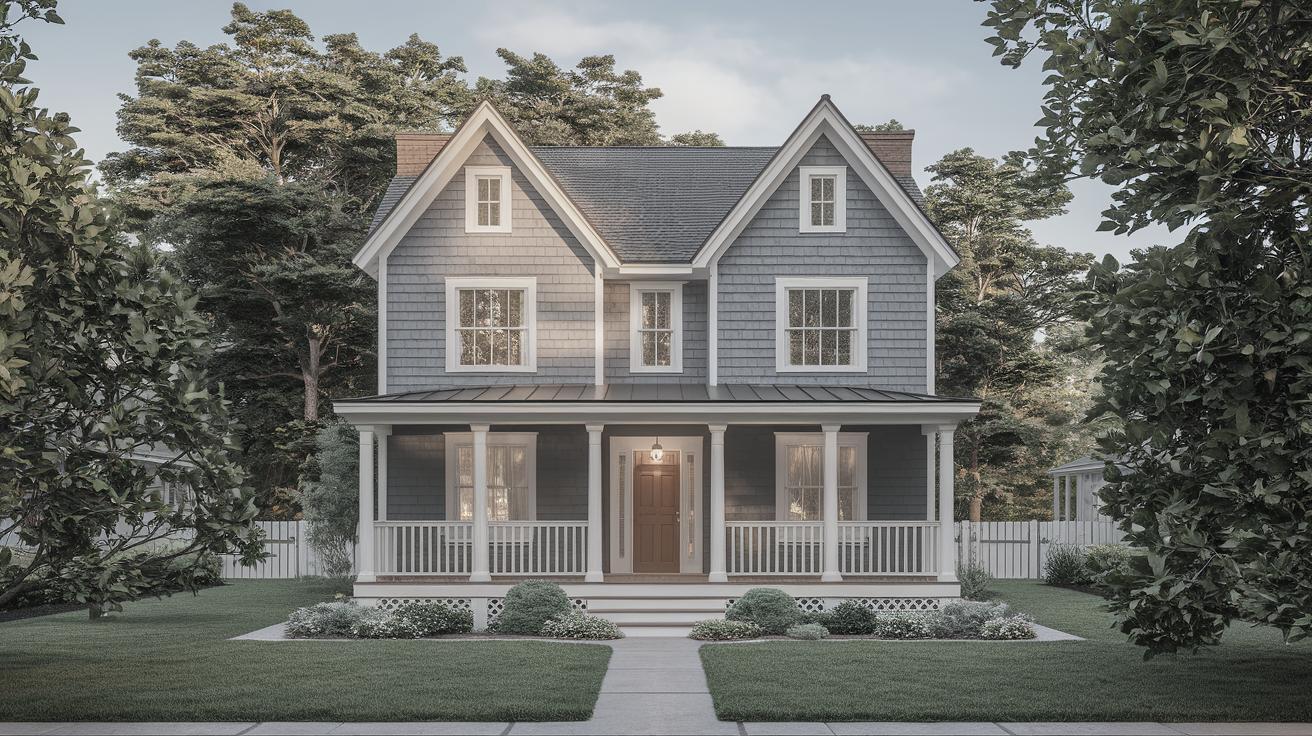
What Makes a Great Rental Property?
Investing in rental property can be a lucrative venture if you know what to look for. This blog post explores key characteristics that define a good rental property. From evaluating the neighborhood and property taxes to considering local schools and crime rates, each aspect plays a vital role in your investment success. Additionally, factors such as job market conditions, local amenities, and future development get a close examination. We will guide you through starting your search, gathering information, and determining rental prices to make informed decisions. Finally, explore strategic steps to purchase properties, safety features’ influence on occupancy rates, and how long it typically takes for income properties to become profitable. Your journey into rental property investing starts here—equipped with the knowledge you need to make profitable decisions.
1. Neighborhood
The neighborhood in which a property is located is one of the first indicators of its potential as a successful rental. A desirable neighborhood typically garners higher demand, leading to lower vacancy rates and higher rental income. Consider the safety, aesthetics, and community activities associated with the location. People tend to prefer living in areas that are both inviting and evolving positively.
Furthermore, a prime neighborhood can provide clarity on the tenant demographic you might attract. Students, families, or young professionals might vary your focus on the service features and amenities your property needs. Understanding the neighborhood’s character and appeal will allow you to cater to prospective tenant’s preferences, enhancing your property’s attractiveness.
2. Property Taxes
Property taxes can significantly affect your bottom line, thus understanding them is crucial. Areas with high property taxes can dim profit margins, especially if competing rental prices in that area can’t sufficiently cover these expenses. On the other hand, well-developed areas that have higher taxes may offer better services and attract quality tenants.
Investigating any planned tax increases by local authorities is also wise, as rising taxes can heavily influence long-term affordability and profitability. Through due diligence, strike a balance between location benefits and tax obligations to ensure profitability and a successful rental venture.
3. Schools
The quality of local schools affects the rental market tremendously, especially when your targeted tenant demographic includes families. Schools with high ratings often signify prosperous communities and enhance property demand, leading to consistent rental income.
Parents are willing to pay a premium to ensure their children receive quality education, making close proximity to reputable schools a key feature of a great rental property. Investigate school rankings and performance as part of your neighborhood research to make an informed decision.
4. Crime
Rental properties in low-crime areas are inherently more attractive to potential tenants and can attain higher rental values. Safety is a paramount concern for renters, and low crime rates predicates this peace of mind. Analyze crime statistics through local police departments or online resources for an accurate picture of the area’s safety.
Additionally, note any trends in local crime levels. An area with decreasing crime rates could signal a community in the process of renewal, whereas rising rates might indicate potential future problems that could impact property attractiveness and tenant security.
5. Job Market
Access to job opportunities plays an essential role in attracting tenants. Areas with growing employment prospects often show increased demand for rental properties. Research the presence of major employers, nearby business districts or infrastructure projects to understand the local job market’s dynamism.
Furthermore, diverse employment opportunities within a locale can signify economic stability. Providing monthly income, vibrant job markets signal both short-term tenant retention and long-term property value growth, enhancing your investment’s appeal.
6. Amenities
The quality and availability of local amenities affect a property’s rental appeal. Prospective tenants often seek rental properties that provide easy access to essentials like grocery stores, parks, public transport, and entertainment options. Such conveniences enhance the daily living experience, exponentially increasing property demand.
In competitive rental markets, emphasizing unique or standout amenities can confer a competitive edge. Think outside the box and showcase anything from pet-friendly spaces to innovative technological installations as attractions for discerning tenant prospects.
7. Future Development
Future development plans can influence property values and consequently, rental income potential. New projects such as shopping centers, public transportation, and infrastructure enhancements usually represent positive signs of growth and increased demand.
However, be cautious of future developments that may not align with community interests or could even detract from property value temporarily. Stay informed about local government planning and any major construction projects to strategically safeguard your investment.
8. Number of Listings and Vacancies
The number of listings and vacancy rates in an area serve as indicators of demand. High vacancy rates could suggest underlying factors that deter potential tenants, such as a stagnating local economy or crime issues. Compare different neighborhoods to discern the healthiest markets.
Conversely, a high number of listings might suggest overbuilding or an inefficient property market. As an informed investor, keep a finger on the pulse of rental trends to ensure a feasible, lucrative property choice.
9. Average Rents
Researching average rental prices provides insights into expected income levels and local market competitiveness. Strike a balance in attracting tenants without significant vacancy gaps while maintaining financially viable rental yields.
Comparing rents across similar properties in the area helps avoid pricing your property too high or too low, establishing yourself as a competitive offer in the rental scene. Ultimately, well-priced rental properties tend to experience healthier tenant interest.
10. Natural Disasters
Areas prone to natural disasters might present a higher risk factor in maintaining and operating rental properties. Consider your potential property’s resilience to such impacts, alongside insurance needs and associated costs.
The historical occurrence of natural disasters, along with projected climate risks, points to a property’s overall vulnerability. Strategic preemptive preparations can safeguard your property and investments, while also providing peace of mind for potential tenants.
Key Takeaways
When selecting a rental property, balancing multiple factors is key. Consider the local neighborhood and its established amenities, crime rates, school quality, and the economic landscape to gauge long-term promise. Be vigilant against potential high taxation regions and natural disaster risks that can impact profitability.
Warning
While potential rewards exist, approach property investment with caution. Permit yourself flexibility and remain prudent by undergoing thorough due diligence on your chosen area. Rushed decisions without adequate research could potentially lead to unexpected pitfalls.
Additional Income Property Tips
Starting Your Search
Begin with a concise list of several promising locales. Widen your scope based on projected development plans, economic potential, and reputable evaluations to uncover compelling regions that fit your strategy.
Getting Information
Utilize resources like real estate websites, governmental publications, or professional market analyses to gather reliable data. Thorough research will position you proactively within the marketplace and inform insightful investment moves.
Choosing a Property
Selecting a particular property requires an amalgamation of your expectations, budget constraints, and desired tenant profile. Synergize regional trends to achieve properties that plug into gaps left by competition, seizing a market advantage.
Important
Adding value to your rental offerings through property upgrades can significantly improve rentable worth. Consider strategic property renovations for enhancements and overall aesthetic improvements to ensure long-lasting relevancy.
Determining the Rent
Calculate rents with precision, equating costs against anticipated revenues to determine accurate financial forecasts. Constantly evaluate rental prices in your locality to maintain your property at a competitive advantage.
Making the Purchase
Conclude your research with calculated decisiveness. Seek professional real estate advice, negotiate value yields, and prepare legal documentation carefully to secure a sound investment foundation into your future.
What Is the Most Profitable Type of Income Property?
One-bedroom apartments can be a gold mine due to their high demand, reflecting affordability amidst urban living costs. Priced favorably, they can attract lucrative tenants within short periods for sustained revenue.
How Long Does It Take to Make a Profit on an Income Property?
Standard profitability may arise within three to five years, with initial losses attributed to mortgage, remodels, and setup costs weighing in. Diligent planning will narrow this time frame to maximize earning potential rapidly.
Will Adding Security Features Attract More Tenants to My Income Property?
Yes, investing in increased security features, such as surveillance cameras and access control systems, often attracts quality tenants seeking safety assurance, leading to high tenant retention rates.
The Bottom Line
Property investment can translate to substantial returns, provided you undertake research, due diligence, and strategic moves. By paying close attention to the characteristics discussed, aligning them with regional demand nuances, you can harness an opportune and stable real estate investment journey.
| Factors | Considerations |
|---|---|
| Neighborhood | Safety, appeal, tenant demographics |
| Property Taxes | Impact on profit margin, local services |
| Schools | Quality for family-friendly rentals |
| Crime | Area safety, tenant peace of mind |
| Job Market | Proximity to job opportunities |
| Amenities | Access to essentials, tenant attraction |
| Future Development | Growth prospects, potential property value increase |
| Number of Listings and Vacancies | Demand indication, avoid oversaturated markets |
| Average Rents | Setting competitive prices, gauging market range |
| Natural Disasters | Risk assessment, insurance considerations |