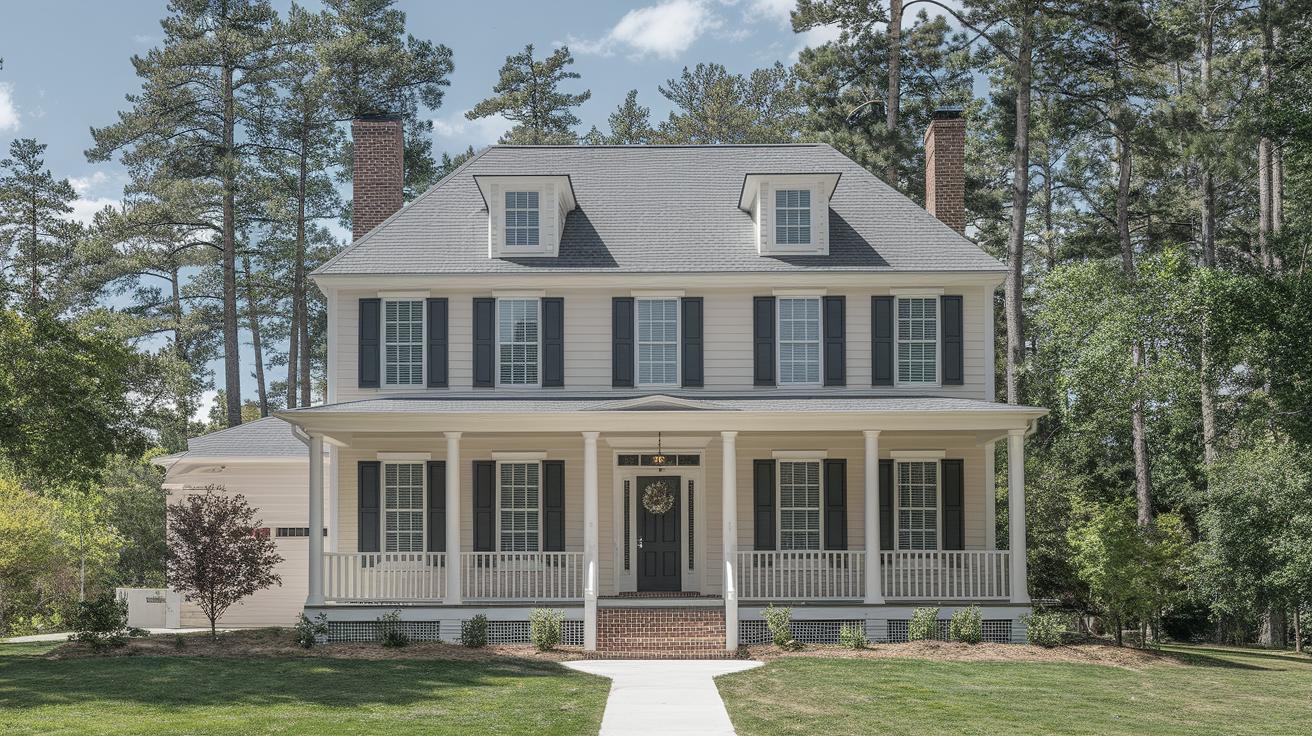
How to Sell a House in a Buyer’s Market
Selling a house in a buyer’s market can be challenging, but with the right strategies, it can be done effectively. In a buyer’s market, buyers have more options and bargaining power, so sellers must avoid common pitfalls like emotional attachment and unrealistic pricing. This article explores key mistakes to avoid when selling a home, from inadequate listing photos to not accommodating potential buyers. We’ll also discuss the importance of hiring a real estate agent and ensuring proper insurance coverage. By understanding these aspects, sellers can better position their property to stand out in a competitive market.
Getting Emotional
Selling a home is often an emotional journey. Many homeowners have spent years creating memories in their properties, which can make it difficult to view the transaction objectively. Allowing emotions to cloud judgment might lead to overvaluing the property or being inflexible during negotiations. It’s critical for sellers to remain detached and focus on the business aspect of the sale.
One way to mitigate emotional decision-making is to seek advice from trusted friends, family, or a real estate agent. They can provide a different perspective and help keep emotions in check. Essentially, acknowledging and managing emotions can lead to more strategic decisions, enhancing the chances of a successful sale.
Setting an Unrealistic Price
Pricing a home appropriately is crucial, especially in a buyer’s market. An overpriced home can linger on the market, prompt lowball offers, or deter serious buyers entirely. To set a realistic price, sellers should research local market trends and recent sales of similar properties in their area.
Engaging a real estate appraiser can also provide an unbiased valuation of the home, helping to set a competitive price. It’s important to remember that a property is only worth what buyers are willing to pay, and pricing it right from the start can lead to a quicker and smoother sale process.
Expecting the Asking Price
In a buyer’s market, it’s common for sellers to receive offers below their asking price. Expecting to receive the full asking price without compromise can lead to missed opportunities. Sellers should be prepared to negotiate and remain flexible with offers, especially if there’s genuine interest in the property.
Providing incentives, such as covering closing costs or offering home warranties, can make a listing more attractive to buyers, potentially justifying a closer-to-asking price offer. Understanding that negotiating is part of the process can help sellers move closer to closing a successful deal.
Selling During Winter Months
Winter is typically a slower real estate season, with fewer buyers actively searching. Selling during these months can be more challenging, as the pool of potential buyers is often smaller. However, sellers can still succeed by ensuring their home is warm and inviting, making it stand out against the winter backdrop.
Highlighting features like a cozy fireplace or energy-efficient heating can appeal to buyers during colder months. Additionally, maintaining curb appeal by keeping walkways clear of snow and adding strategic lighting can enhance the home’s exterior even during shorter days.
Skimping on Listing Photos
In today’s digital age, your home’s first impression is often made online. Quality listing photos are essential, as they can significantly impact a buyer’s perception of the property. High-quality images showcasing the best features of the home can attract more potential buyers to schedule showings.
Working with a professional real estate photographer can make a significant difference. They know how to highlight spaciousness, natural light, and the property’s finest details. Investing in good photography is an investment in attracting more buyers and potentially speeding up the sale.
Not Carrying Proper Insurance
Before listing a property, it’s imperative for homeowners to ensure their insurance policies are up-to-date. Having proper coverage protects against any unforeseen incidents or accidents that might occur during showings or open houses.
In addition to standard homeowners’ insurance, sellers might consider adding liability coverage, providing extra peace of mind as various strangers walk through their home. It’s important to discuss options with an insurance agent to ensure full protection during the selling process.
Hiding Major Problems
Attempting to conceal significant issues with a property can lead to future complications, jeopardizing a sale or resulting in legal trouble. Buyers typically work with inspectors to uncover potential problems, and undisclosed issues can lead to broken deals or lawsuits.
Sellers should aim for transparency, either by fixing known problems before listing or disclosing them upfront. Offering repair credits can also smooth negotiations and demonstrate honesty, enhancing trust with buyers.
Not Preparing for the Sale
Preparation is key when selling a home. This includes decluttering, deep cleaning, and staging the property to highlight its strengths. First impressions are crucial, and a well-prepared home can appeal more significantly to potential buyers.
Engaging a professional stager can bring out the best in a home, using furniture and decor to create an inviting atmosphere. Additionally, focusing on the exterior of the home, with well-maintained landscaping, can make a positive impact on buyers from the moment they arrive.
Not Accommodating Buyers
Being flexible with showings is essential in attracting serious buyers. Restricting viewing times and being unavailable for open houses might lead to missed opportunities. Sellers should ensure they accommodate potential buyers’ schedules as much as possible.
Most buyers wish to view a home without pressure or interruption. Facilitating a convenient and relaxed viewing experience can lead to more serious offers, ultimately speeding up the selling process.
Selling to Unqualified Buyers
Ensuring that potential buyers are financially qualified is crucial before entering serious negotiations. Accepting offers from unqualified buyers can lead to delays and frustrations if financing falls through.
Before considering offers, sellers should require pre-approval letters from potential buyers. This financial verification indicates that the buyer’s finances have been checked and there’s a higher likelihood of closing the deal without hitches.
Not Hiring a Real Estate Agent
While some homeowners opt for a For Sale By Owner (FSBO) approach, hiring a real estate agent can offer significant advantages. Agents bring expert negotiation skills, market knowledge, and access to broader marketing channels, increasing the chance of a sale.
Agents can also help in setting the right price, staging, and even in managing the myriad of paperwork involved in selling a house. Their assistance can prove invaluable, especially in a buyer’s market where standing out is crucial.
The Bottom Line
Successfully selling a house in a buyer’s market requires strategy and awareness of potential pitfalls. Avoiding emotional decisions, setting realistic prices, ensuring quality listing photos, and accommodating buyers are all critical factors. Additionally, transparency, proper insurance, and hiring a professional agent can significantly enhance a property’s appeal. By being proactive and prepared, sellers can optimize their chances of closing a successful deal.
Key Takeaways
- Emotional detachment and objective pricing are crucial.
- Quality photos and flexibility with showings attract more interest.
- Transparency and hiring a professional agent boost buyer trust.
Tip
Consider investing in home staging and professional photography; small upgrades can provide a significant return on investment by attracting more buyers and potentially increasing sale offers.
| Challenge | Solution |
|---|---|
| Getting Emotional | Remain objective and seek outside perspectives. |
| Setting an Unrealistic Price | Research market trends and consider an appraisal. |
| Expecting the Asking Price | Be prepared to negotiate and offer incentives. |
| Selling During Winter Months | Highlight warm features and maintain curb appeal. |
| Skimping on Listing Photos | Invest in professional real estate photography. |
| Not Carrying Proper Insurance | Ensure all insurance policies are current and comprehensive. |
| Hiding Major Problems | Disclose issues or fix them before listing. |
| Not Preparing for the Sale | Declutter, clean, and stage the home effectively. |
| Not Accommodating Buyers | Be flexible with showing times and accommodate schedules. |
| Selling to Unqualified Buyers | Request pre-approval letters and verify buyer financing. |
| Not Hiring a Real Estate Agent | Consider professional help for expertise and wider reach. |